

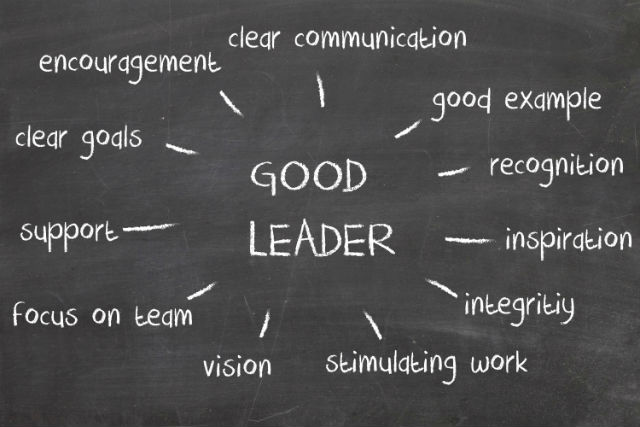
Becoming a better leader is less about adopting a leadership persona and more about practicing observable behaviors consistently. Strong leaders clarify expectations, listen before deciding, address difficult issues, make fair decisions, support development, and examine the effect of their own actions.
The practices below are designed for day-to-day people leadership. They complement—but do not replace—a broader leadership development strategy, role-specific training, coaching, and organizational accountability.
Seven Practical Ways to Become a Better Leader
1. Clarify outcomes, priorities, and decision rights
Explain what success looks like, which priorities take precedence, who owns each decision, and when the team should escalate. Invite questions and ask employees to restate key commitments in their own words. Clarity reduces avoidable rework without requiring leaders to control every method.
2. Hold difficult conversations early and fairly
Prepare around observable facts, role expectations, impact, and the next action—not assumptions about attitude or intent. Give the employee a genuine opportunity to respond. Document material performance or conduct discussions according to policy, and involve HR when the issue may concern discrimination, harassment, retaliation, accommodation, safety, leave, or other protected matters.
3. Learn each employee’s strengths and support needs
Use work evidence, employee input, and role requirements to understand where someone contributes most and where support is needed. Avoid labeling people as fixed “types.” Development can include practice assignments, feedback, mentoring, training, clearer resources, or adjusted priorities. Match opportunity to job-related criteria rather than visibility or similarity to the manager.
4. Make participation easier for every working style
Do not equate speaking first or most often with having the strongest idea. Share questions in advance when possible, invite written input, use structured turns in meetings, and follow up one-to-one. These practices can surface expertise from employees who need more processing time, work remotely, communicate differently, or have been overlooked.
5. Hire and develop complementary capability
Effective leaders build teams with skills they do not personally possess. Define the role’s outcomes and job-related competencies, use a consistent assessment process, and welcome expertise that challenges existing assumptions. “Culture fit” and intuition are weak substitutes for structured evidence. Link hiring and development decisions to a validated competency model where appropriate.
6. Involve the team without abandoning accountability
Seek employee input on risks, customer needs, work methods, and practical measures. Then state what is open for influence, what constraints apply, who makes the final decision, and why. Participation does not mean every suggestion will be adopted; it means relevant perspectives are considered through a transparent process.
7. Review your impact and change your behavior
Ask for specific feedback: What should I continue? What creates friction? Where are priorities unclear? What decision am I holding too long? Compare the feedback with outcomes such as missed handoffs, turnover patterns, employee-relations issues, project delays, and development follow-through. Select one behavior to practice, then revisit it.
Leadership Practice and Evidence
| Practice | What employees can observe | Evidence to review |
|---|---|---|
| Clear direction | Priorities, owners, standards, and tradeoffs are explicit. | Rework, missed deadlines, escalation patterns |
| Useful feedback | Feedback is timely, specific, two-way, and tied to expectations. | Follow-up actions, repeated issues, documentation quality |
| Fair opportunity | Assignments and development use job-related criteria. | Distribution of stretch work, access to training, promotion readiness |
| Sound decisions | Input is gathered, reasoning is explained, and owners are clear. | Decision cycle time, reversals, unresolved dependencies |
| Accountability | Commitments apply consistently, including to the leader. | Follow-through, exception patterns, team trust signals |
| Learning | Mistakes lead to correction and system improvement. | Recurrence, lessons applied, process changes |
A Four-Week Leadership Improvement Plan
- Week 1—Observe: Choose one recurring leadership situation and collect examples without defending or explaining them.
- Week 2—Ask: Request focused input from employees, peers, and your manager. Use the same two or three questions so patterns are easier to identify.
- Week 3—Practice: Select one behavior, define what it will look like, and use it in real work. For example, end every priority discussion with an owner, deadline, and tradeoff.
- Week 4—Review: Ask what changed, examine work evidence, and decide whether to continue, modify, or replace the practice.
Repeat the cycle with one behavior at a time. Leadership development is more credible when employees can observe the practice and when the organization reinforces it through expectations, feedback, performance management, and senior-leader example.
How to Approach Common Leadership Moments
| Situation | Helpful response | Response to avoid |
|---|---|---|
| An employee disagrees | Ask for evidence, constraints, and alternatives before deciding. | Treating disagreement as disloyalty. |
| A mistake occurs | Contain harm, clarify accountability, examine causes, and prevent recurrence. | Public blame or ignoring the issue. |
| Performance slips | Confirm expectations, facts, resources, and a documented follow-up plan. | Vague labels or surprise ratings. |
| A quiet employee has relevant expertise | Invite input through more than one channel and credit the contribution. | Assuming silence means lack of interest. |
| The team is overloaded | Reset priorities, capacity, scope, or timing with stakeholders. | Telling employees to manage time better while leaving conflicts unresolved. |
Common Leadership Development Mistakes
- Trying to improve every leadership skill at once.
- Relying on motivation or personality instead of observable practice.
- Requesting feedback and then arguing with it.
- Giving opportunities only to the most visible or familiar employees.
- Using empathy as a substitute for clear standards—or standards as a reason to stop listening.
- Expecting training alone to overcome unclear roles, excessive workload, weak systems, or inconsistent executive behavior.
- Measuring leadership only through a single survey score.
Build Leadership Practice Into the Work
Leaders improve when development is connected to real decisions, feedback, reinforcement, and accountability. JER HR Group supports organizations with leadership programs, competency models, performance practices, and team development. Explore the Leadership Excellence Program or contact JER HR Group to discuss the right scope for your leaders.
Leadership practices should be applied consistently with organizational policies and applicable employment laws. This article provides general HR information and does not guarantee individual, team, or business outcomes.


