


Build a Practical Performance Management System
JER HR Group helps organizations design and improve performance management programs that managers can use consistently and employees can understand.
Performance management should connect role expectations, goals, feedback, development, and documented decisions. Our consultants assess the current process, clarify responsibilities and rating criteria, improve forms and workflows, prepare managers for productive conversations, and establish a review cadence that fits the organization. The resulting information can support employee development, career paths, workforce planning, and better-informed talent decisions.

Performance Management Consulting Services
- Analyzing the relationship between effort, environment, results, and how a plan can be developed
- Increasing consensus around priorities
- Bring SMART goals and performance expectations together in one simple process
- Finding the right performance management for growing organizations
- Help HR managers develop SMART goals that challenge employees, improve results, and create a productive performance management experience
How Performance Management Supports Employee Engagement
Employee engagement and performance management are closely connected. When employees understand expectations, receive regular feedback, and see how their work supports organizational goals, they are better positioned to perform consistently and develop over time. A clear performance management program creates that structure.
Manager Training for Performance Conversations
Managers learn to prepare evidence, explain expectations, deliver specific feedback, listen, document commitments, and follow up on development or corrective action.
- Providing Constructive Feedback
- Communication Skills
- Seven-Step Performance Discussion Process
- Developing key performance standards with employees
- How to provide effective feedback
Performance Management Program Design
Performance management is an ongoing operating process, not only an annual review. A sound program defines goals, responsibilities, feedback channels, review criteria, documentation, calibration, employee development, and governance.
- Adapting leadership style to employee needs
- Setting high performance standards
- Giving real-time feedback that aligns goals
- Conducting effective reviews on key skills
Performance Management Technology: PerformSpark
Managers often struggle to deliver meaningful feedback, and employees may find it difficult to apply feedback effectively for professional growth.
PerformSpark helps organizations improve performance management and employee reviews by creating clear communication, stronger engagement, and better workplace accountability.
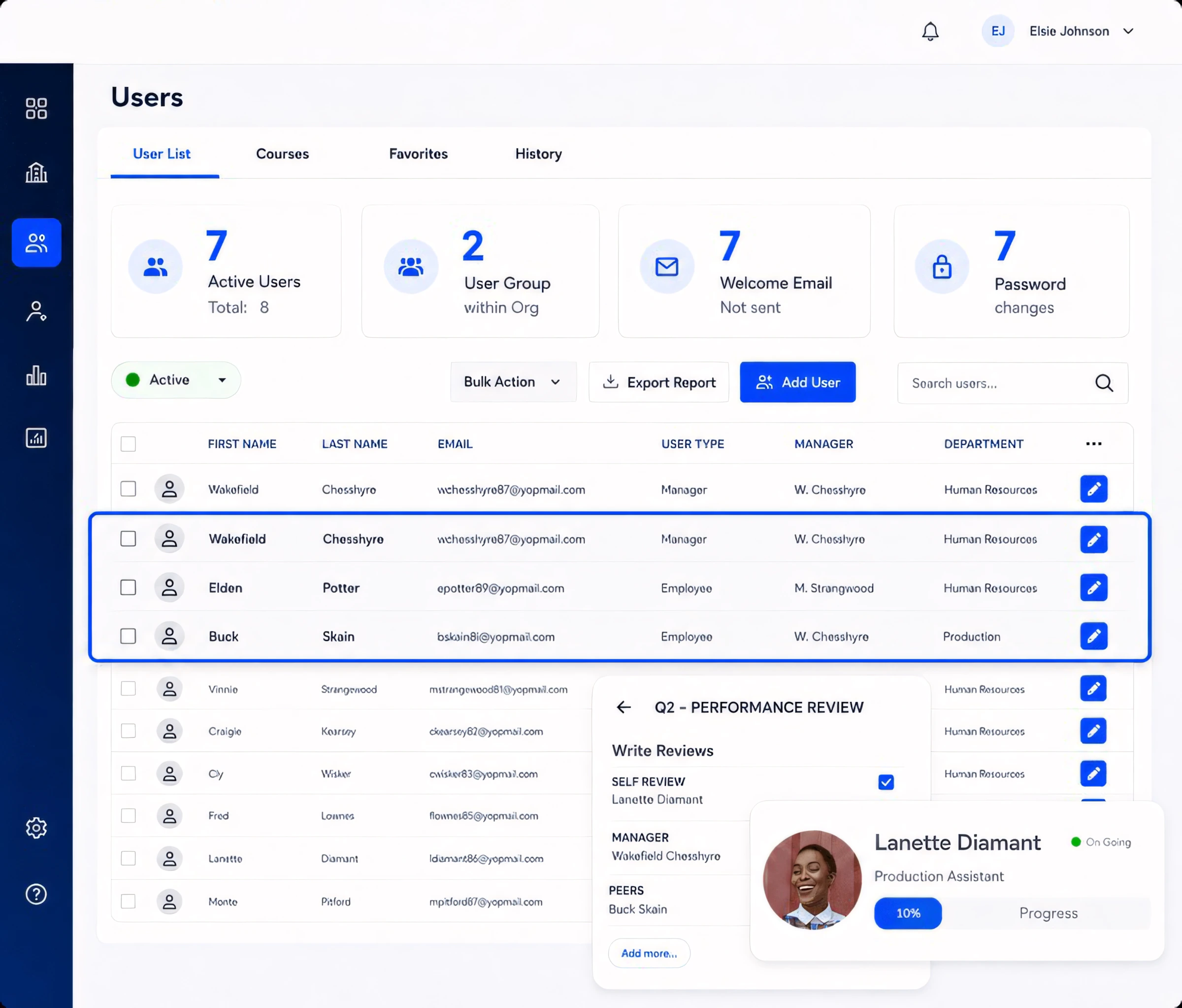
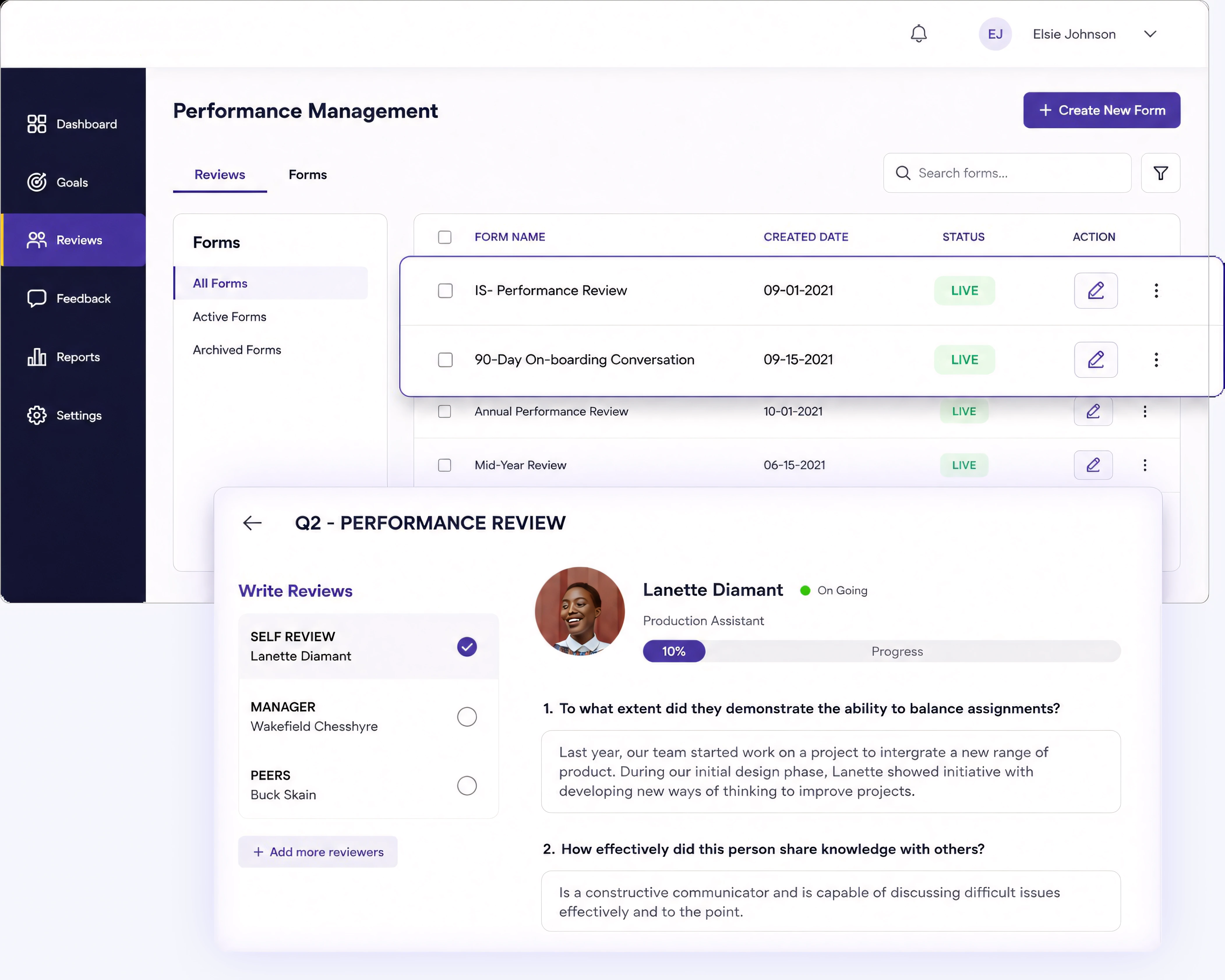
PerformSpark supports evaluations, goal tracking, multi-rater input, reminders, documentation, and continuous feedback in one performance management platform. Technology should reinforce a well-defined process and appropriate access controls; it does not replace manager judgment or HR governance.
Deliver better quality decisions
Structured templates and scoring criteria help managers document evidence, compare performance with defined expectations, and make more consistent decisions.
Conduct performance reviews effectively
Scheduling, reminders, and clear workflows help employees and managers complete each review stage and follow up on agreed actions.
Multi-Rater Review Groups
Configured review groups can gather relevant input from managers, peers, direct reports, or other stakeholders while keeping roles and confidentiality expectations clear.
Performance Reviews
- Performance Review, Compilation and Self Evaluations
- Tracking and Accountability
- Automated Scheduling and Reminders
- Transfer results to your HRIS
Real-Time Feedback
- Real-time Dashboard Analytics
- Unlimited Forms and Custom Forms
- Employee Profiles, History & File Storage
- Easily upload existing information for seamless communication
Goal Management
- Acknowledgment and Tracking Criteria
- Structured Communication Aligned to Your Mission
- Transfer review results into TraineryHCM to improve compliance management
.webp)
Helpful HR resources.





Positive Psychology for Teams





Positive Psychology for Teams

The Playbook for Turning Reviews into Action, Growth, and Accountability

The HR Horizon: What HR Needs to Know for 2027
LET’S TALK ABOUT PEOPLE, IDEAS, AND SOLUTIONS.
If you want to recruit, engage, develop, and retain the best team in the business, get in touch with us.
NEW YORK OFFICE
New York, NY 10120
NORTH CAROLINA OFFICE
Raleigh, NC 27613
ARKANSAS OFFICE
Bentonville, AR 72712
TEXAS OFFICE
Suite 175 PMB 1024
The Woodlands, TX 77381


