


Nonprofit executive compensation is the total value provided to a chief executive or other senior leader, including salary, incentive pay, retirement contributions, benefits, allowances and other economic benefits. Boards must balance talent needs, stewardship, internal equity and federal tax rules when setting that compensation.
This guide focuses on the board process for establishing reasonable compensation, keeping its intent distinct from JER HR Group’s separate nonprofit CEO salary and benchmarking content.
How Is Nonprofit Executive Compensation Different?
Nonprofits compete for leadership talent, but compensation decisions receive additional governance and disclosure scrutiny. Applicable tax-exempt organizations must avoid providing an excess benefit to a person who can exercise substantial influence. Many organizations also report compensation and governance information on Form 990, which is generally publicly available.
Reasonable compensation is based on the value of services and relevant facts—not a universal salary ceiling. Size, complexity, geography, mission, revenue, staff, role scope, performance expectations and the full compensation package can affect the analysis.
For historical New York context, see JER HR Group’s New York EO 38 historical guidance. EO 38 was repealed in 2021 and should not be treated as a current compliance requirement.
Three Governance Steps for Setting Reasonable Compensation
IRS regulations provide a rebuttable-presumption process that can strengthen a board’s decision record. Whether it applies depends on the organization and transaction, so boards should obtain qualified tax or legal advice.
1. Use an Independent Authorized Body
Compensation should be approved in advance by directors or committee members without a conflict of interest concerning the arrangement. Disclose relationships, document recusals and prevent the executive whose pay is under review from controlling the decision.
2. Rely on Appropriate Comparability Data
Use reliable data for reasonably comparable organizations and roles. Consider budget or revenue, staff size, mission, geography, executive responsibilities, complexity and the mix of compensation elements. When the peer set is limited, document the search, adjustments and judgment used.
3. Document the Decision Contemporaneously
Minutes should identify compensation approved, meeting date, attendees, comparability information reviewed, conflicts handled and the basis for the decision. JER HR Group’s intermediate sanctions review service supports this analysis.
What Should the Compensation Package Include?
- Base salary
- Annual or long-term incentive compensation, if used
- Retirement contributions and deferred compensation
- Health, life, disability and other insurance benefits
- Paid time off and leave benefits
- Housing, transportation, relocation or other allowances
- Severance or retention provisions
- Perquisites and other economic benefits
- Performance expectations and review timing
Evaluate total compensation, not salary alone. The organization should document its intent to treat economic benefits as compensation and report them correctly where required.
Nonprofit Executive Compensation Review Checklist
- Define responsibilities, authority and performance expectations
- Adopt a written compensation philosophy
- Identify independent decision-makers and disclose conflicts
- Select relevant peers and credible compensation sources
- Compare salary and all other economic benefits
- Assess internal pay relationships and budget sustainability
- Approve the arrangement before payments begin when practicable
- Record data, deliberation, decision and recusals in minutes
- Complete required Form 990 and related reporting accurately
- Review when role scope or circumstances change
Common Nonprofit Executive Compensation Governance Mistakes
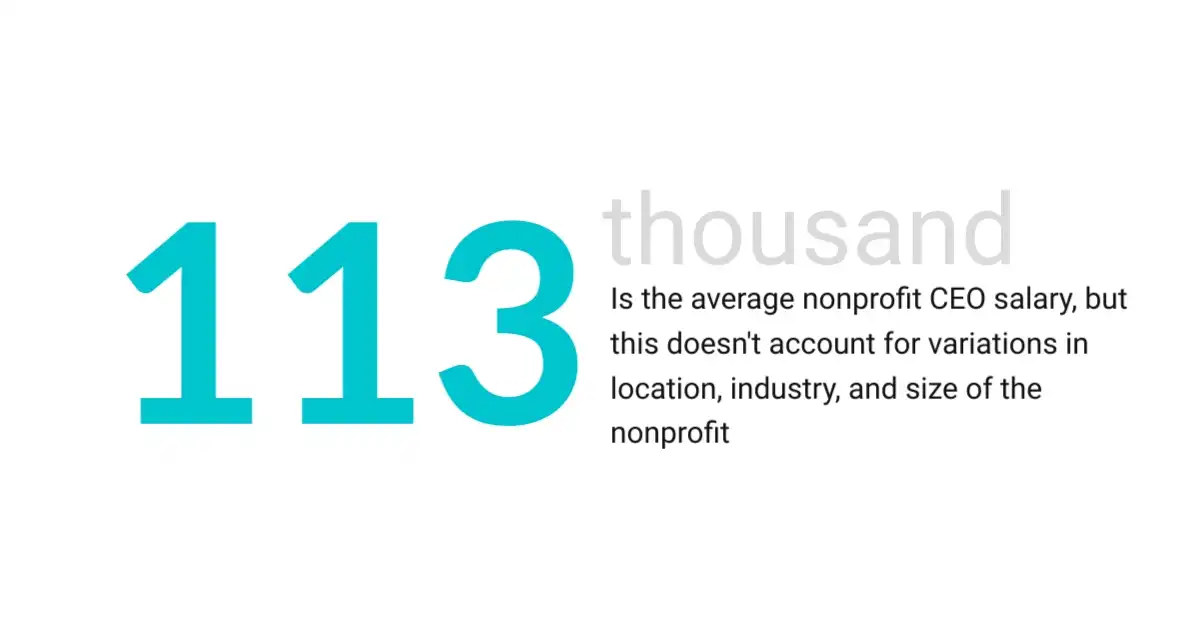
Risks include relying on a single national average, selecting peers only because they pay more, overlooking benefits, allowing an interested executive to shape approval, using stale data, failing to document the rationale and treating Form 990 reporting as a substitute for a sound approval process.
This article provides general compensation information and is not legal or tax advice. Requirements vary by organization type, jurisdiction and facts.
Build a Defensible Nonprofit Executive Pay Process
JER HR Group helps nonprofit boards develop compensation philosophies, select relevant peer data, evaluate total compensation and document governance decisions. Explore nonprofit compensation consulting services for broader staff, benchmarking, and governance needs, and executive compensation consulting for senior-leader pay design and review. You can also contact a compensation consultant.


