

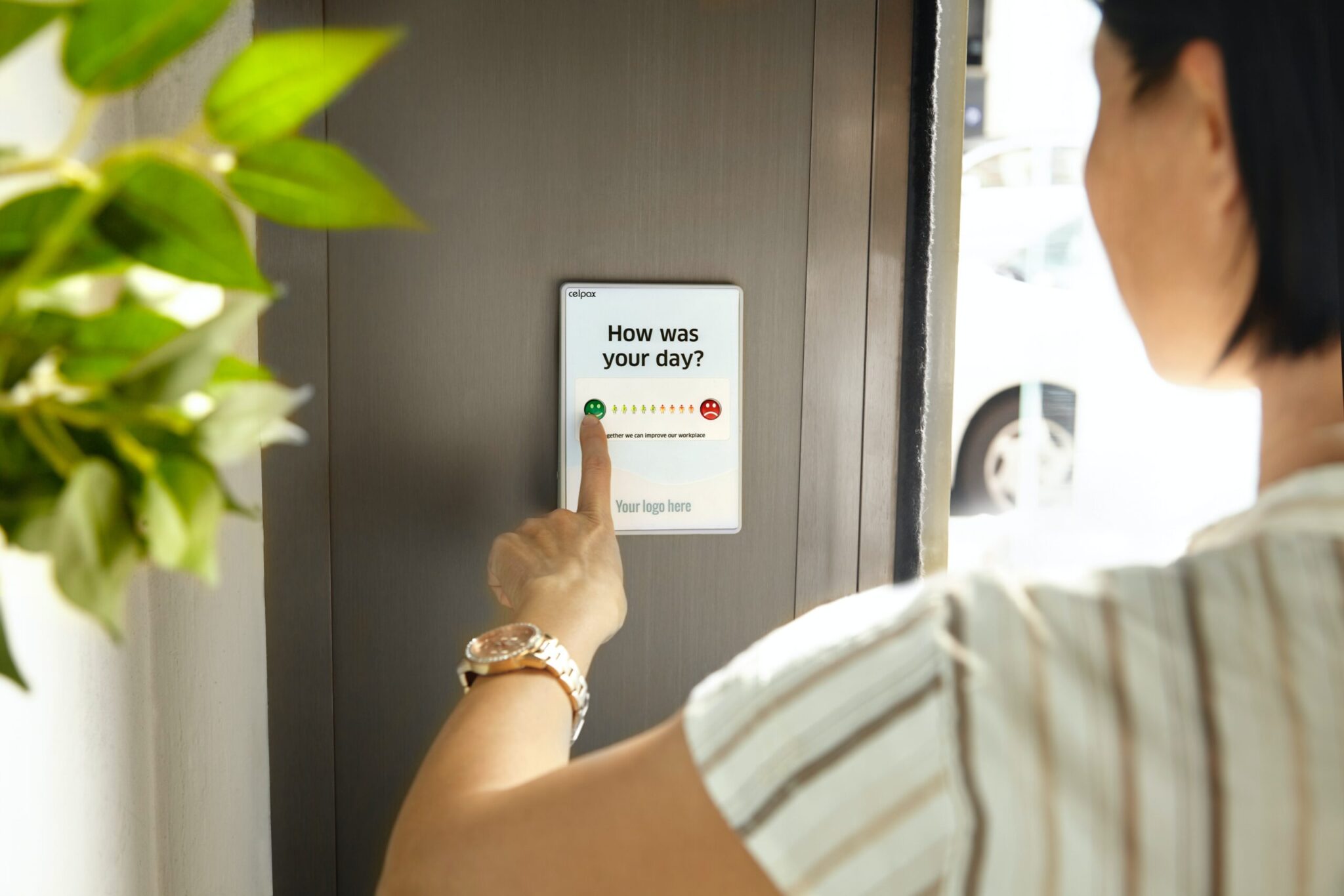
Employee morale is the shared outlook employees have about their work, team, leadership, and ability to succeed. Improving morale requires more than social activities. Leaders need to diagnose the conditions shaping day-to-day work and respond with credible, visible action.
Morale can rise or fall in onsite, hybrid, and remote teams. Physical distance may expose weak communication or isolation, but role clarity, workload, management practices, fairness, resources, trust, and follow-through usually matter more than location alone.
Employee Morale, Engagement, and Satisfaction
| Concept | Primary question | Useful evidence |
|---|---|---|
| Morale | What is the team’s current outlook and confidence? | Sentiment, cooperation, recurring concerns, and willingness to speak up |
| Engagement | Can and will employees contribute to meaningful work? | Clarity, voice, manager support, resources, and development |
| Satisfaction | How do employees evaluate specific aspects of work? | Views on pay, schedule, manager, workload, tools, and environment |
These concepts overlap but are not interchangeable. A popular event may lift the mood temporarily without correcting a persistent workload or trust problem.
Diagnose Low Morale Before Choosing a Solution
| Possible signal | Questions to investigate | Evidence to review |
|---|---|---|
| Limited participation | Do employees have safe, accessible ways to contribute? | Meeting patterns, survey comments, and manager practices |
| Conflict and blame | Are priorities, roles, handoffs, and decision rights clear? | Workflow, role descriptions, and team agreements |
| Frequent frustration | Are staffing, systems, or policies creating barriers? | Capacity, rework, delays, and employee input |
| Low confidence in leadership | Were commitments explained, owned, and completed? | Communication history and unresolved actions |
| Turnover concerns | What reasons differ by team, role, location, or manager? | Exit data, stay interviews, tenure, and schedules |
Do not diagnose an individual’s attitude from body language, camera use, or one interaction. Look for patterns, ask neutral questions, and protect sensitive information.
Nine Ways to Improve Employee Morale at Work
1. Clarify priorities and roles
Employees need to know what matters now, how success is evaluated, where responsibilities begin and end, and who resolves conflicts. Reduce competing priorities instead of treating everything as urgent.
2. Address workload and work design
Review staffing, deadlines, meeting load, rework, technology, approvals, and interruptions. Time-management tips cannot solve structurally excessive work. Make explicit tradeoffs when demand exceeds capacity.
3. Improve manager communication
Use a predictable cadence for priorities, decisions, changes, and questions. Explain what is known, what is undecided, who owns the next step, and when employees can expect an update.
4. Recognize specific contributions
Recognition should be timely, credible, and connected to meaningful work. Make it accessible across shifts, locations, roles, and communication styles rather than rewarding visibility alone.
5. Create employee voice and close the loop
Offer confidential surveys, small-group discussions, and manager check-ins. Publish themes and actions without exposing respondents. If leaders cannot act on a request, explain why.
6. Support growth and useful feedback
Provide clear feedback, role-relevant learning, practice, and realistic career information. Development should not imply a guaranteed promotion.
7. Build connection across locations
Use purposeful meetings, peer learning, mentoring, and collaborative problem-solving. Optional social activities should not pressure employees to disclose personal information or participate outside paid work expectations.
8. Apply policies consistently
Review differences in flexibility, workload, information, recognition, development, and manager attention. Involve HR or counsel when concerns may involve discrimination, accommodation, leave, pay, or retaliation.
9. Follow through visibly
Assign every action an owner, date, and update route. A small number of completed actions is more credible than a broad morale campaign with no visible result.
Bridging the Physical Gap in Hybrid and Remote Teams
Distributed teams need an operating model, not simply more video meetings. Define:
- Which information belongs in meetings, written updates, shared systems, or one-to-one conversations.
- Core collaboration hours and response expectations.
- How remote employees access decisions, learning, recognition, and informal context.
- When in-person time has a clear work or relationship purpose.
- How employees request accessibility or other appropriate support.
- Which social activities are optional.
Watch for location bias. Employees physically closer to leaders should not automatically receive more information, visible assignments, feedback, or advancement opportunities.
A 90-Day Morale Improvement Plan
Days 1–30: Listen and establish a baseline
- Review survey, exit, turnover, workload, and employee-relations evidence.
- Ask which barriers most affect employees’ ability to do good work.
- Segment only where sample size and privacy permit.
- Escalate urgent safety, legal, conduct, or capacity issues.
Days 31–60: Implement priorities
- Choose two or three issues with clear owners.
- Clarify what will change, what will not, and why.
- Prepare managers to discuss the plan consistently.
- Remove at least one recurring barrier employees can see.
Days 61–90: Verify and adjust
- Check whether commitments were completed.
- Use short follow-up questions tied to selected issues.
- Review differences by team, role, location, or manager.
- Continue, revise, or stop actions based on evidence.
Measure Morale Responsibly
Combine survey items with qualitative themes, manager follow-through, workload indicators, turnover patterns, internal mobility, and unresolved concerns. No single metric proves morale, and correlation does not establish that an initiative caused a workforce outcome.
JER HR Group supports employee surveys, performance management, leadership training, and employee retention programs. Related guidance includes employee engagement strategies and building employee trust in HR.
Common Employee Morale Mistakes
- Launching games, gifts, or events before diagnosing work conditions.
- Expecting employees to fix morale without manager action.
- Adding meetings to an overloaded team.
- Equating low camera use with disengagement.
- Collecting feedback without reporting progress.
- Applying flexibility or recognition inconsistently.
- Promising retention, productivity, or culture outcomes.
Turn Employee Input Into Practical Action
Morale improves through clear work, manageable priorities, useful communication, fair treatment, employee voice, and completed commitments.
Contact JER HR Group to discuss an employee listening and action plan suited to your workforce.
This article provides general HR information, not legal, medical, or mental-health advice. Requirements and workforce needs vary.


