


Career Pathing Frameworks for Internal Mobility
Career pathing is the structured design of job families, levels, movement options, and progression criteria that show how employees can grow within or across functions. A practical framework connects role requirements, competencies, experience, performance evidence, and development actions so employees and managers can discuss advancement using shared criteria.
JER HR Group has developed hundreds of career path models for clients nationwide using a defined process built around job architecture and implementation. Engagements can include job-family design, level definitions, competency and proficiency models, progression-of-duties charts, employee talent profiles, manager tools, and a communication plan. The result is a decision framework for workforce planning, succession, internal mobility, and development—not a promise of automatic promotion.

Our Career Pathing Design Process
A career pathing engagement typically includes:
- Job family and level design, defining related roles, career streams, movement options, and consistent distinctions between levels.
- Competency and proficiency criteria, documenting the knowledge, skills, behaviors, experience, and evidence expected at each stage.
- Employee talent profile methodology, creating a consistent way to compare demonstrated capabilities with role and level requirements.
- Progression-of-duties charts, clarifying how scope, complexity, accountability, and contribution change across positions and levels.
- Implementation and communication planning, preparing HR and managers to explain the framework, answer questions, apply criteria, and maintain the model.
Career Pathing Resources
and practical insights, free to download.




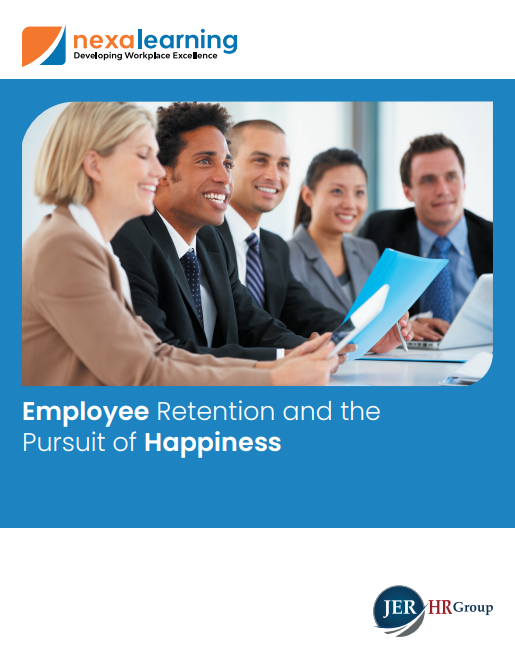


Positive Psychology for Teams





Positive Psychology for Teams

The Playbook for Turning Reviews into Action, Growth, and Accountability

The HR Horizon: What HR Needs to Know for 2027
LET’S TALK ABOUT PEOPLE, IDEAS, AND SOLUTIONS.
If you want to recruit, engage, develop, and retain the best team in the business, get in touch with us.
NEW YORK OFFICE
New York, NY 10120
NORTH CAROLINA OFFICE
Raleigh, NC 27613
ARKANSAS OFFICE
Bentonville, AR 72712
TEXAS OFFICE
Suite 175 PMB 1024
The Woodlands, TX 77381


